Research Paper: Direct Methanol Fuel Cells as an Alternative Energy Source for the Disadvantaged.
April 2025 | University of Pittsburgh | Pennsylvania, United States of America
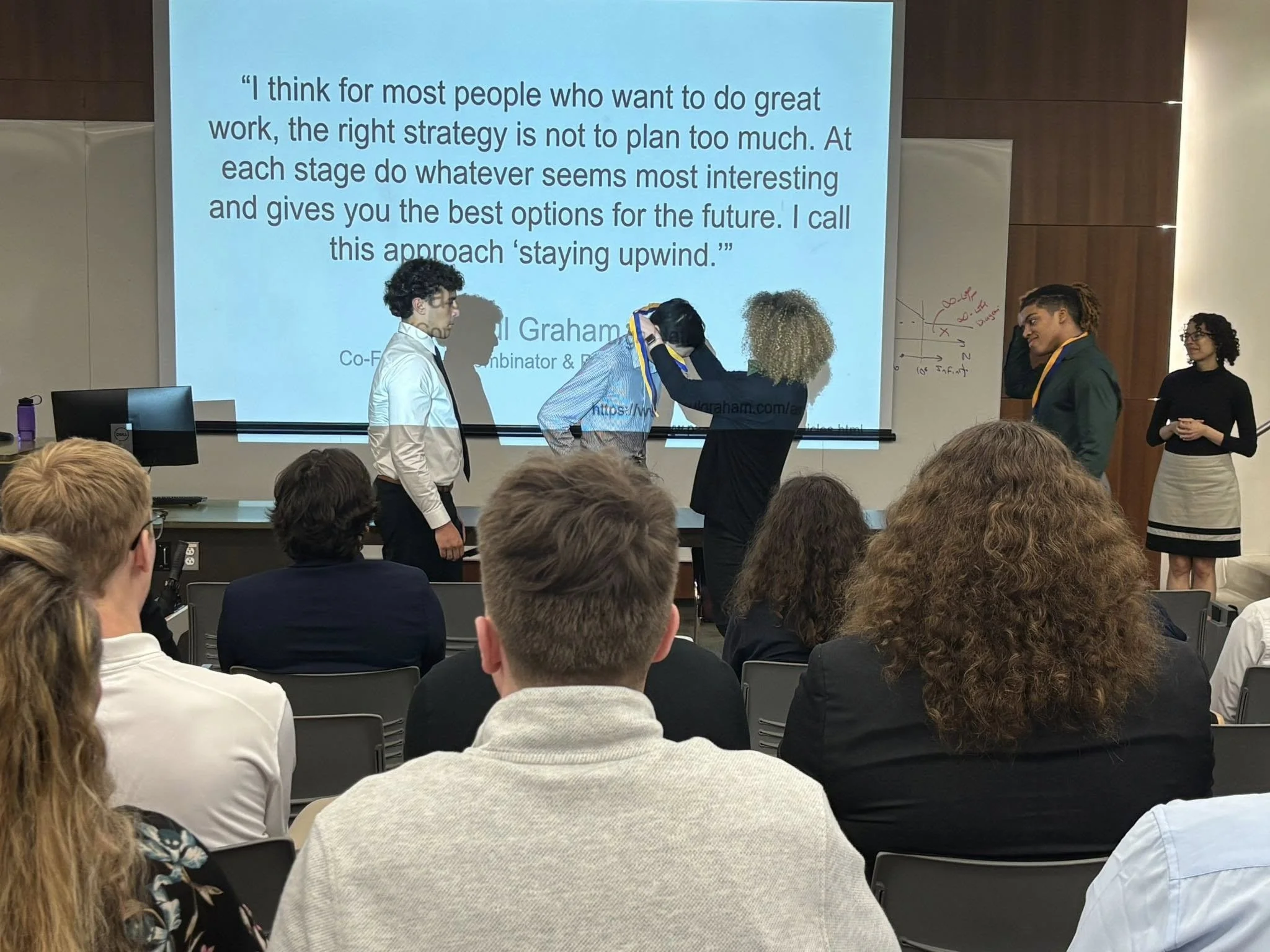
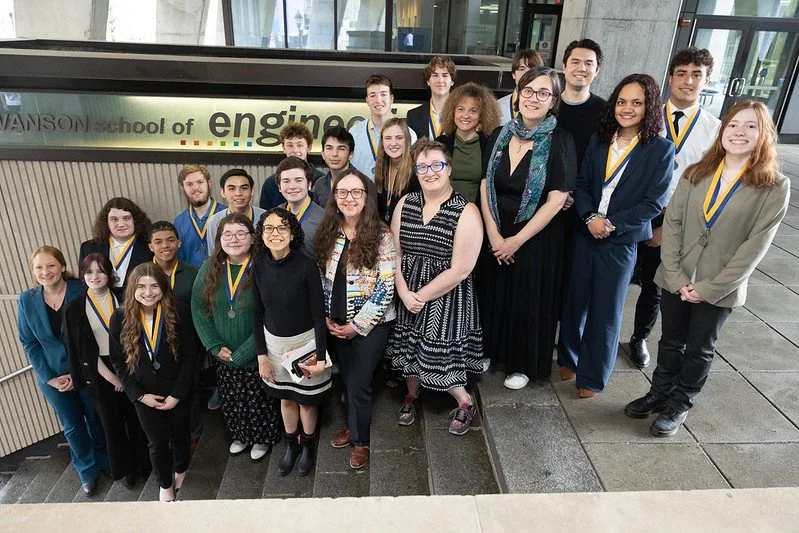
Throughout the Spring 2025 semester, two freshman engineering students and I worked on a research project on a recent innovation in a particular field of engineering for our writing composition class, ENGCMP 0412. In this paper, we discussed the technology and its applications and evaluated it against certain criteria. Towards the end of the project, we were to present this paper at the First-Year Engineering Conference (FYEC) on April 5, 2025, to other students, friends, and family.
My team tackled direct methanol fuel cells (DMFCs) and their application in powering disadvantaged communities from a chemical engineering standpoint. A crucial role I played was helping the team navigate through the different challenges in this project. One of the biggest challenges was how rarely the topic of DMFCs was covered in current research papers. There were few studies on the implementation of DMFCs in real-world applications because they were not commercially available. In overcoming this challenge, we had to be prudent with the information we had and tried to examine any correlations present. For instance, when evaluating DMFCs, we had to examine the advantages and disadvantages of the technology and compare them with the current issues reported in case studies on the use of traditional technologies in disadvantaged communities. This allowed me to enhance my leadership and team-building skills, especially under pressure. Another role I played was explaining in-depth what direct methanol fuel cells were and how they worked. In doing this, I drew on my knowledge of redox reactions from my General Chemistry 2 class to understand and explain how DMFCs convert methanol into electrical energy. This allowed me to employ my critical thinking and analysis skills I’ve built from my previous high school research project. Lastly, my role was to present our paper at the conference with my team, which allowed me to enhance my technical communication with peers.
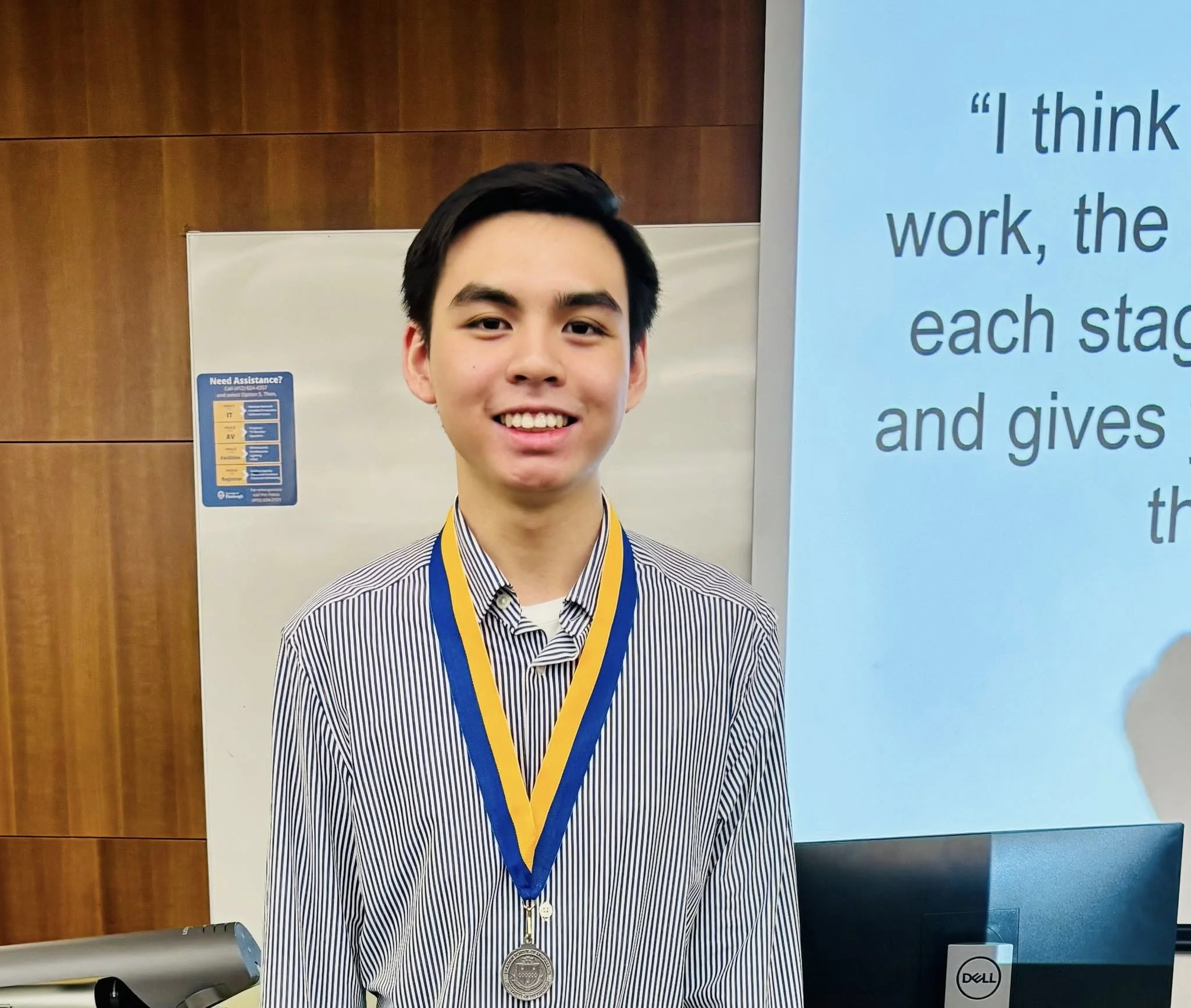
Fortunately, all my hard work on this project paid off when we were awarded the “Best Paper in Chemical Engineering”. Our paper was recognized as a strong example of research for any FYECs moving forward. Looking back on this experience, I have learned that having strong faith in your team helps you achieve your goals. Despite how lost and frustrated we were at times by how difficult and tiring this project was, we pushed through because we always tried to motivate ourselves to do our best.